Drug Crimes
ARIZONA CRIMINAL DEFENSE ATTORNEY
Drug Crime Lawyer in Phoenix, AZ
In Arizona, it is illegal to sell, manufacture, use, or possess dangerous drugs without a valid prescription. If you have been charged with a drug crime, you will likely need a defense lawyer to challenge the prosecution’s case.
By hiring a drug crimes lawyer, you gain legal counsel who can help evaluate the evidence and build a strong defense. If you were arrested and placed in jail, your attorney may also be able to assist with bail issues depending on the circumstances of the case.
Attorney Michael Alarid has represented numerous clients facing serious drug charges and has the experience needed to build a strong defense. Speak with the Law Office of Michael Alarid today to begin protecting your freedom.
Common Drug Offenses Under Arizona Law
- Drug Use: It is a class 4 felony to use a controlled substance in AZ that is not marijuana ARS 13-3407.
- Possession of Drugs: Possession of scheduled drugs can range from a misdemeanor to a felony depending upon the drug you possess, as well as the amount you are found with upon arrest.
- Distribution of Drugs: Charges vary based on whether you were distributing narcotics, prescription drugs, or dangerous drugs. If you are charged with the distribution of dangerous drugs into the state, you will likely be facing felony charges.
- Drug Trafficking: Drug trafficking generally involves transporting, distributing, or possessing large quantities of illegal substances with the intent to sell. It is considered a serious offense in Arizona and can carry significant prison exposure if a person is convicted.
- Importation of Drugs: Importation refers to bringing illegal drugs into Arizona from another state or country. These cases are typically charged as serious felony offenses under Arizona law.
- Possession of Drugs with Intent to Sell: Under Arizona law, certain quantities of drugs may trigger presumptions of distribution or harsher penalties. Examples of statutory threshold amounts include 1 gram of heroin, 4 grams of PCP, 9 grams of methamphetamine or cocaine, or 2 pounds of marijuana.
- Manufacturing of Dangerous Drugs: Manufacturing illegal drugs is a felony offense in Arizona. Charges depend on the type of substance involved, such as dangerous drugs, narcotic drugs, prescription-only drugs, or marijuana.
- Cultivation of Drugs: Arizona law allows adults over 21 to grow a limited number of marijuana plants for personal use. Cultivating marijuana beyond those legal limits may result in felony charges under ARS 13-3405. The severity of the charge generally depends on the quantity involved.
- Transportation of Drugs: Transportation of drugs generally refers to moving controlled substances with the intent to sell or distribute them. These cases often arise from traffic stops or investigations involving alleged drug sales.
- Drug Smuggling: Arrests involving drugs allegedly transported across the U.S.–Mexico border can lead to serious criminal charges in Arizona. Depending on the circumstances, these cases may be prosecuted as importation, transportation for sale, or
drug trafficking.
How Arizona Classifies Different Types of Drugs
- Narcotic Drugs: This category includes substances such as heroin, fentanyl, oxycodone, morphine, and cocaine. Narcotic drug offenses are governed primarily under ARS 13-3408 and often carry severe felony penalties, especially in cases involving alleged sale, transportation, or distribution.
- Dangerous Drugs: Dangerous drugs include substances such as methamphetamine, LSD, PCP, and certain amphetamines. These offenses are typically prosecuted under ARS 13-3407. Charges involving dangerous drugs frequently involve allegations of possession, possession for sale, manufacturing, or transportation.
- Prescription-Only Drugs: Some drugs are legal when obtained through a valid prescription but illegal when possessed without one. Examples may include medications such as Xanax, Valium, or certain pain medications. These cases are usually charged under ARS 13-3406.
- Marijuana Offenses: Marijuana laws in Arizona changed significantly after legalization for adults. However, certain activities can still lead to criminal charges, including illegal sale, transportation for sale, possession over legal limits, or unlicensed cultivation. These offenses fall under ARS 13-3405.
- Drug Paraphernalia: Separate laws govern items used to package, prepare, or consume drugs. This may include items such as pipes, scales, baggies, or syringes when prosecutors believe they were intended for drug use or distribution. Paraphernalia offenses are typically charged under ARS 13-3415.
How Police and Prosecutors Determine Possession vs. Intent to Sell
In many Arizona drug cases, the central issue is whether the drugs were intended for personal use or for distribution. Law enforcement does not need to witness an actual sale to pursue a charge of possession with intent to sell. Instead, prosecutors often rely on circumstantial evidence to argue that the drugs were meant for distribution rather than personal use.
Several factors are commonly evaluated during an investigation:
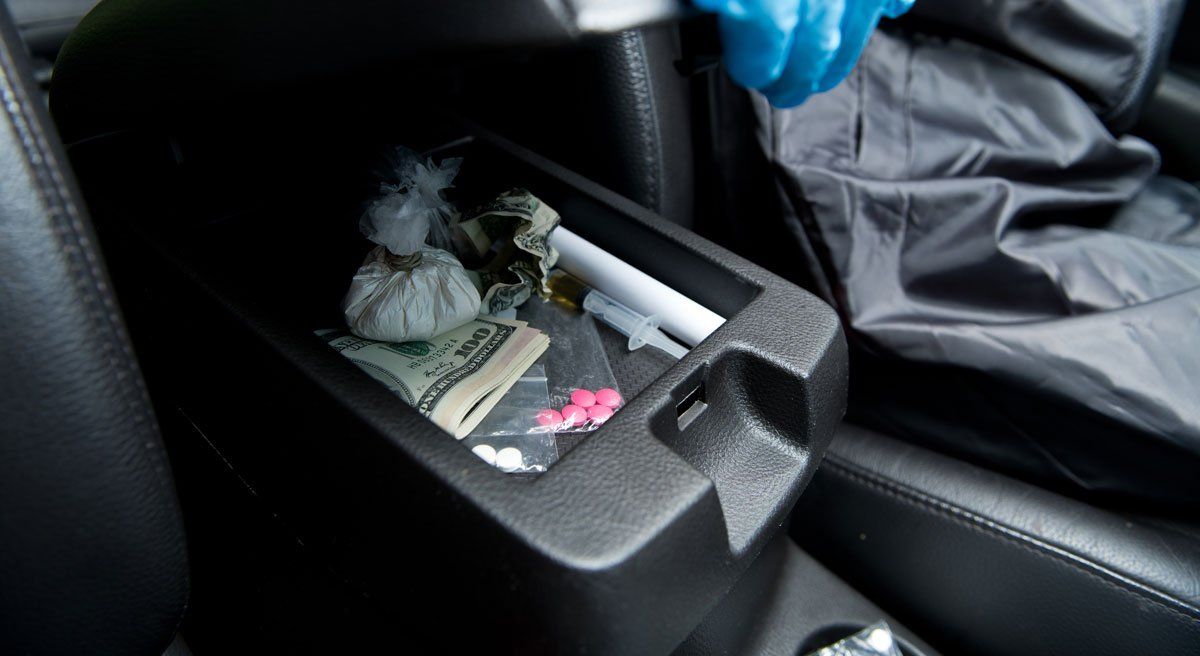
- Quantity of drugs: Larger amounts may lead prosecutors to argue the drugs exceed what would normally be kept for personal use.
- Packaging: Drugs divided into multiple baggies, capsules, or containers can be interpreted as preparation for sale.
- Digital scales or packaging materials: Items commonly used to weigh or divide drugs may be presented as evidence of distribution activity.
- Large amounts of cash: Significant cash, particularly in small denominations, may raise questions about potential drug sales.
- Text messages or phone evidence: Communications discussing prices, quantities, or meetings may be used to support an intent-to-sell allegation.
- Multiple types of drugs: Possessing several different controlled substances at the same time may be interpreted as a sign of distribution rather than personal use.
These factors do not automatically prove intent to sell. However, prosecutors often use a combination of these circumstances to argue that a possession case should be charged as a more serious distribution-related offense.
An experienced drug crimes lawyer can review how evidence was obtained, challenge assumptions about quantity or packaging, and examine whether law enforcement’s conclusions about intent are supported by the facts of the case.
Related Practice Areas
RECENT CASE RESULTS

SERVING THE GREATER PHOENIX AREA
Drug Crimes in Arizona




Possible Defenses for You and Your Drug Crimes Lawyer
Depending on the circumstances, a defense attorney may evaluate several possible drug defenses, including:
- Procedural or constitutional violations: An attorney can review whether law enforcement followed proper procedures during the stop, search, or arrest. If your constitutional rights were violated during a search of your person, vehicle, or property, certain evidence may potentially be challenged in court.
- Entrapment: Entrapment generally refers to situations where law enforcement induces someone to commit a crime they were not otherwise predisposed to commit. These claims often arise in investigations involving undercover officers or controlled purchases and depend heavily on the specific facts of the case.
- Confidential informant credibility: Some drug investigations rely on confidential informants. A defense attorney may examine the informant’s credibility, background, and any incentives they may have had to cooperate with law enforcement when evaluating the reliability of the evidence.
Why is it Important to Hire a Defense Attorney for Your Drug Charge in Arizona?
Consulting an Arizona board-certified specialist in criminal law can help you better understand your legal options. An Arizona criminal attorney can review the details of the arrest, identify potential issues with the investigation, and examine statements made by officers or witnesses. In some cases, this review may reveal opportunities to challenge the charges or seek reduced penalties.
Consulting with a defense attorney allows the facts of your case to be reviewed and possible legal strategies to be explored. A lawyer can evaluate the evidence, identify weaknesses in the prosecution’s case, and communicate with prosecutors when appropriate.
In some situations, this process may lead to reduced charges, negotiated resolutions, or dismissal of the case. To speak with an experienced Phoenix drug crimes lawyer, contact The Law Office of Michael Alarid at (602) 818-3110.
Asset Seizure and Forfeiture in Arizona Drug Cases
In some drug investigations, law enforcement may seize property they believe is connected to illegal drug activity. This can include cash, vehicles, firearms, or other items officers suspect were used in a drug offense or obtained through drug sales.
Arizona law allows prosecutors to pursue civil asset forfeiture, which is a separate legal process from the criminal case. This means the government may attempt to keep your property even while the criminal charges are still pending.
Property owners have the right to challenge a forfeiture action, but strict deadlines often apply. A criminal defense attorney can review the circumstances of the seizure and determine whether there are legal grounds to contest the forfeiture or seek the return of the property.
FAQ'S
Arizona Drug Crime Frequently Asked Questions
What should I do after being arrested for a drug crime in Arizona?
After an arrest, you will typically be booked, processed, and either released with conditions or held until a court appearance. In many lower-level possession cases, people are often released relatively quickly, especially if they have little or no prior criminal history. However, cases involving large quantities of drugs, suspected sales or trafficking, weapons, or prior felony records are more likely to involve higher bail amounts or continued custody.
You should be cautious when discussing your situation with anyone except your attorney, as statements to friends or on social media can potentially be used as evidence. Speaking with a criminal defense lawyer early allows the evidence and circumstances of the arrest to be reviewed while the case is still developing.
What happens after a drug arrest in Phoenix?
Most drug arrests lead to a criminal case that begins with an initial appearance or arraignment in court. At that stage, the judge may address release conditions, future court dates, and other procedural steps. The case then moves through stages such as evidence disclosure, pretrial hearings, negotiations, and possibly trial.
What is the difference between drug possession and possession with intent to sell?
Simple possession generally refers to having a controlled substance for personal use. Possession with intent to sell is a more serious charge that alleges the drugs were intended for distribution. Prosecutors often rely on factors such as quantity, packaging, cash, or communications to argue that the drugs were meant to be sold.
Can a drug possession charge be reduced or dismissed in Arizona?
In some cases, charges may be reduced or dismissed depending on the facts and available defenses. Unlawful searches, insufficient evidence, or other weaknesses in the prosecution’s case can affect how charges are handled. Each case is different, so drug crime attorneys typically need to review the evidence and the conduct of the police to identify possible defense strategies.
Will I go to jail for a first-time drug offense in Arizona?
The outcome depends on the specific drug involved, the quantity, and the person’s prior record. Some offenses may qualify for probation or diversion programs, while others can carry mandatory prison exposure under Arizona law. A criminal defense lawyer can help evaluate the potential penalties and available options based on the circumstances of the case.
What drugs are considered “dangerous drugs” under Arizona law?
Arizona law categorizes certain substances, such as methamphetamine, LSD, and PCP, as dangerous drugs. These drugs are governed by specific statutes that outline separate offenses for possession, sale, manufacturing, and transportation. Charges involving dangerous drugs are often treated as felony offenses under Arizona law.
Can police search my car or home during a drug investigation?
Law enforcement typically needs a valid search warrant, consent, or another legal justification to search a home or vehicle. If officers conduct a search without proper legal grounds, the evidence obtained may be challenged in court. Reviewing the legality of a search is often an important part of a drug crime defense.
What happens at the first court date for a drug charge?
The first court appearance is usually an arraignment or initial appearance where the charges are formally read. The judge may review release conditions, confirm legal representation, and schedule future court dates. The case then moves into the pretrial phase where evidence is exchanged and legal motions may be filed.
Can text messages or phone data be used as evidence in drug cases?
Yes. In many investigations, law enforcement examines phones, messages, and digital communications for evidence related to drug possession or distribution. These records may be obtained through search warrants or forensic analysis of devices and are sometimes used to support allegations of sales or trafficking.
How long does a drug case usually take in Arizona?
The timeline varies depending on the complexity of the case, the amount of evidence involved, and whether the case goes to trial. Some cases resolve in a few months through negotiation or dismissal, while others can take longer if motions, expert testimony, or trial preparation are required. Your attorney can give a better estimate after reviewing the specifics of the case.
Can a drug conviction affect my record or employment?
A drug conviction can appear on background checks and may affect employment opportunities, housing applications, and professional licensing. Even before a case is resolved, pending charges can sometimes appear in certain records. Protecting your record and exploring possible outcomes is an important part of a criminal defense strategy.
When should I contact a drug crimes lawyer?
It is often helpful to speak with a lawyer as soon as possible after an arrest or when you learn you are under investigation. Early legal guidance allows an attorney to review the evidence, protect your rights during questioning, and help you understand what to expect as the case progresses. Acting quickly can also help preserve information that may be important to your defense.
GET A FREE CONSULTATION TODAY
Get Drug Crime Defense From an Arizona Board-Certified Specialist in Criminal Law
If you have been arrested or charged with a drug offense in Arizona, you should talk to an experienced drug crimes lawyer as soon as possible. Drug crime cases can be complex and carry significant potential penalties. Michael Alarid III, an Arizona board-certified specialist in criminal law, can review your situation and pursue the best possible outcome for your case. Call (602) 818-3110 to request a consultation.